
Let’s keep your betta fish alive for long and healthy. Betta fish are very sturdy and hardy fish. They make great pets for kids because they are not expensive or hard to take care of. Even though these are tough fish, it is still important to learn some simple steps on how how to taken care of them.
How to Keep a Betta Fish Alive for 4 Years
How to Keep a Betta Fish Alive for long time
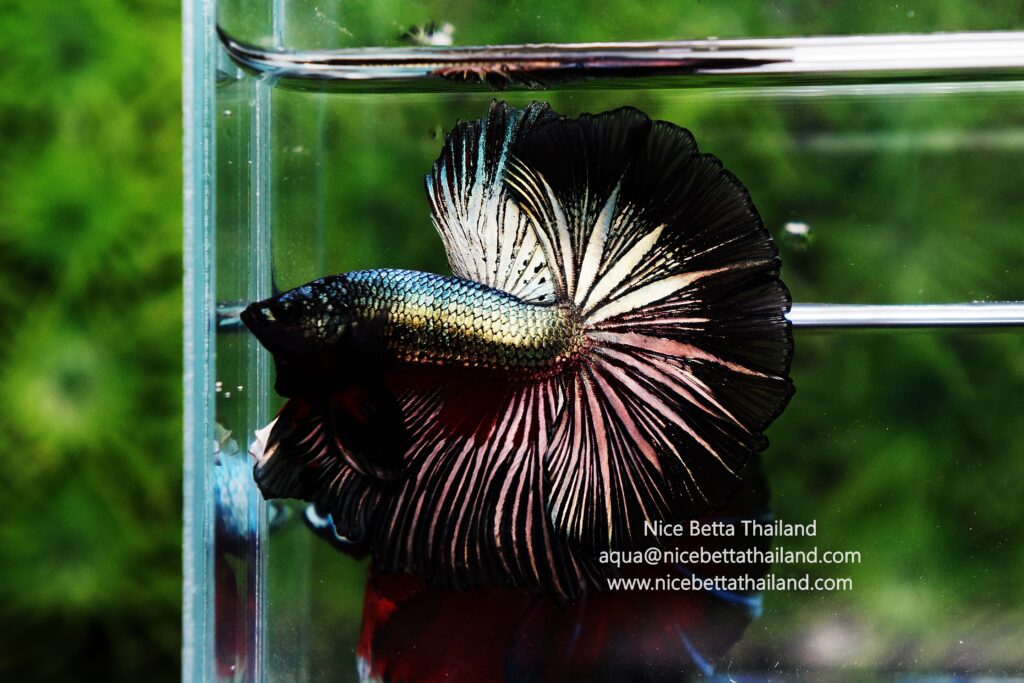
Choose your betta fish carefully.
Try supporting local businesses that take good care of their fish instead of big chain pet stores. Local pet store and online bettas usually have better genetics than the ones that come from the fish farms that supply pet store chains. Genes play a large role in betta health. Young bettas are brightly colored and have long, flowing tails; as they get older, their colors dull. Choose a younger, brighter, healthy-looking fish in order to keep it alive for longer.
- When purchasing a betta fish, be sure to examine its tail. If it looks like it has been ripped apart (it is harder to spot on crowntails, but their fins may be curled), that means it may be biting its tail or have fin rot. Both of these signal signs of stress and bad water quality.
Purchase an appropriate tank
Bettas originate from Vietnam, Malaysia, Thailand, and Cambodia, where they lived in large rice paddies. Consequently, they prefer tanks that are spacious and long, rather than tall and deep. For your betta to live the happiest, longest life, provide at least a five gallon aquarium with a filter and heater. Your betta fish can survive for some time without these, but they will not live the best life.

Provide your betta with multiple foods choices
Bettas can be picky eaters and you should have three or more different kinds of food on hand. This way, your fish can choose between the ones that it likes and dislikes. A good way to know what your betta likes and dislikes is give him/her a little piece. If they do not eat it or spit it out, it is possible that they do not like that kind of food.
Do not put your betta in a small tank with other bettas
Betta fish are called Siamese fighting fish for a reason. They are very territorial and will fight to the death. If you are considering keeping more than one betta in a tank, make sure it is at least 20 gallons (75.7 L) and extremely heavily planted.
- Do not under any circumstances keep a male betta with another male betta. Chances are, you do not have a heavily planted tank that provides at least sixty gallons per betta.
- You can keep females with females, as long as there are more than five together. They will establish a pecking order and if you do not have enough, the lowest or weakest ones will be bullied to death. With more fish, the bullying is distributed enough to keep them all safe. Your fish would much prefer to be alone, however.
Perform weekly water changes.
In smaller tanks, change out 25% of the water each week. With a tank over 10 gallons (37.9 L), you can wait two weeks, just make sure to test the water for toxins.
Add a water conditioner to your fish tank.
Water conditioner can be bought at your local pet supply store. It removes chlorine/chloramines and heavy metals from tap water, making it safe for your fish to live in.
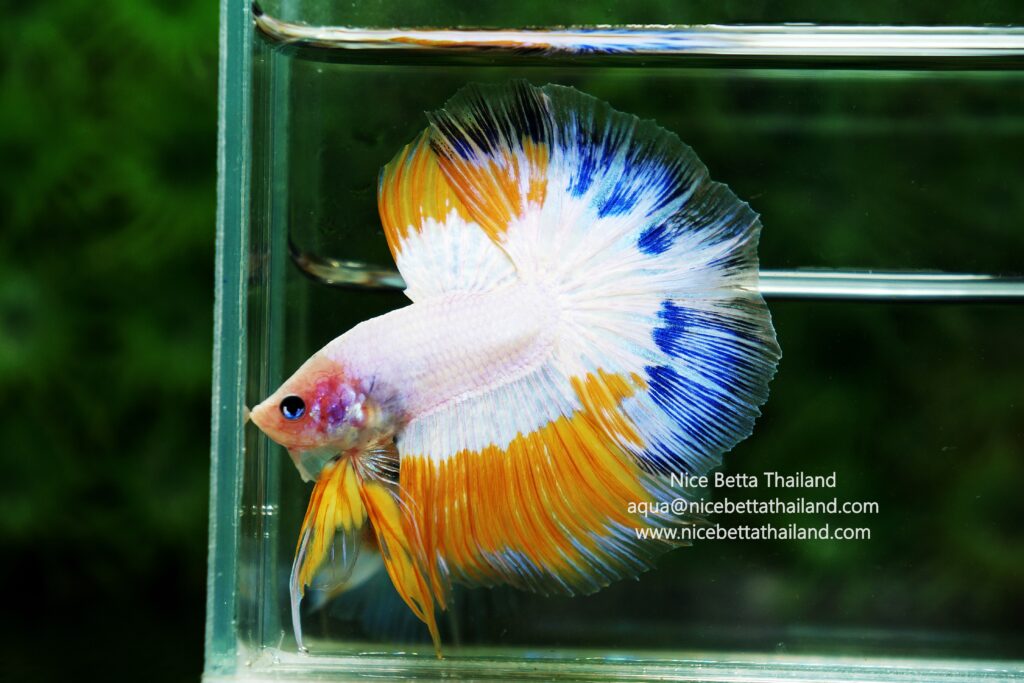
Check on your fish regularly and do health checks
White spots, pine coning scales, and a rust-like texture are some indicators that your fish needs treatment immediately.
Play with your fish.
Train it to do tricks such as jump out of the water to take food, swim through a hoop or follow your finger. Bettas can recognize faces and they become very attached to their owners.
Keep a Betta Fish Alive for 4 Years Summary
- Select healthy, vibrantly colored Betta fish with intact tails from a reputable fish farm or store.
- Use a tank of at least 5 gallons with a filter and heater.
- Feed nutritious fish food.
- Do not keep Betta fish in a small tank with other Betta fish, as they are timid and aggressive.
- Remove some of the water weekly (approximately 50%), or every two weeks if the tank is larger than 10 gallons.
- Use a water conditioner to reduce chlorine, chloramines, and heavy metals in the water.
- Check your fish frequently for signs of health issues (such as white spots, peeling skin, or damaged fins) to ensure early treatment.
- Encourage fish interaction, such as teaching them to jump or swim through a hoop, or by placing a mirror near the tank or using your index finger to encourage them to extend their fins once or twice daily to build a bond.
Looking for Rare betta fish?
If our article keep betta fish allive for 4 years was useful to you You can leaving a 5-star reviews for It’s an encouragement. For us make encourage us in our research. Research information about betta fish for to present useful information further

Reference: https://animalverse.social/members/0xa7171ebba801bd10a5ce7a061d6e80c044d0e075/activity/24126/
Also we have group talk about betta fish for sale and share any new tip take care information on Web3 socialFi group

Right now we have betta fish doctor help every bettas lover by top breeder in Thailand to cure or share more tip on Animalverse social
If your bettas fish sick or need tip to treat help or join event prize with AVC Token
Let’s join the group many top breeder will help to answers in betta fish community
More tip :
How to tell if your betta fish is happy
Tips on choosing your first betta fish
Which best food for betta fish
Why does my betta fish stay at the bottom of the tank
15 Common Betta Fish Diseases Prevention and Treatment
The most expensive betta fish in the world.

Frequently Asked Questions (FAQ) About Keeping a Betta Fish Alive for 4 Years

Can a Betta Fish really live for 4 years?
Yes. With proper care, a balanced diet, clean water, stable temperatures, and a stress-free environment, many Betta Fish can live for 3–5 years, while exceptional individuals may live even longer.
Related Reading:
https://www.nicebettathailand.com/about-betta-fish/
What is the ideal water temperature for a long-lived Betta Fish?
The ideal water temperature is 25–28°C (77–82°F). Stable temperatures help support digestion, immune function, and overall health.
Related Reading:
https://www.nicebettathailand.com/betta-fish-care-guide/
How often should I change the water?
Most Betta aquariums benefit from partial water changes every week. Regular maintenance removes harmful waste while maintaining stable water chemistry.
Related Reading: https://www.nicebettathailand.com/how-often-should-you-change-betta-fish-water/
Does tank size affect a Betta Fish’s lifespan?
Yes. A properly sized aquarium provides better water stability, swimming space, and healthier living conditions, which can contribute to a longer lifespan.
Related Reading: https://nicebettathailand.org/best-idea-for-make-betta-fish-tank/
What foods help Betta Fish live longer?
High-quality Betta pellets supplemented occasionally with frozen or live protein-rich foods provide balanced nutrition for long-term health.
Related Reading: https://www.nicebettathailand.com/which-best-food-for-betta-fish/
Can overfeeding shorten a Betta Fish’s lifespan?
Yes. Overfeeding can lead to obesity, constipation, poor water quality, and digestive disorders that negatively affect long-term health.
Related Reading: https://www.nicebettathailand.com/betta-fish-feeding-guide-which-is-the-best/
Do Betta Fish need a filter?
Yes. A gentle filter helps maintain clean water and supports beneficial bacteria that keep ammonia and nitrite under control.
Related Reading: https://www.nicebettathailand.com/betta-fish-need-a-filter-yes-or-no/
Is a heater necessary?
In most climates, especially where temperatures fluctuate, a heater helps maintain stable water temperatures and reduces stress.
Related Reading: https://www.nicebettathailand.com/do-betta-fish-need-a-heater-and-filter-in-their-tank/
Can stress reduce a Betta Fish’s lifespan?
Yes. Chronic stress weakens the immune system and increases the likelihood of disease.
Related Reading: https://www.nicebettathailand.com/15-common-betta-fish-diseases-prevention-and-treatment/
How can I recognize a healthy Betta Fish?
Healthy Betta Fish display vibrant colors, active swimming behavior, a strong appetite, clear eyes, and fully extended fins.
Related Reading: https://www.nicebettathailand.com/all-of-betta-fish-a-guide-on-patterns-color-in-the-world/
What are the most common diseases that shorten a Betta Fish’s life?
Common illnesses include fin rot, ich (white spot disease), velvet, bacterial infections, and dropsy, many of which are linked to poor water quality.
Related Reading: https://www.nicebettathailand.com/15-common-betta-fish-diseases-prevention-and-treatment/
Can poor water quality kill a Betta Fish?
Yes. Elevated ammonia, nitrite, or unstable water conditions can quickly damage a Betta Fish’s health.
Related Reading: https://www.nicebettathailand.com/water-quality-for-betta-fish-health/
Should Betta Fish have decorations and hiding places?
Absolutely. Live plants, caves, and resting leaves help reduce stress while encouraging natural behavior.
Related Reading:
https://www.nicebettathailand.com/betta-fish-care-guide/
How often should I feed my Betta Fish?
Most adult Betta Fish should be fed once or twice daily in small portions that they can consume within a few minutes.
Related Reading: https://www.nicebettathailand.com/betta-fish-feeding-instructions/
Does genetics affect how long a Betta Fish lives?
Yes. Good genetics provide a strong foundation, but proper care, nutrition, and water quality remain the biggest factors influencing longevity.
Related Reading:
https://www.nicebettathailand.com/tips-on-choosing-your-first-betta-fish/
Can frequent handling stress Betta Fish?
Yes. Excessive handling, sudden environmental changes, or constant disturbance may increase stress levels and negatively affect overall health.
Related Reading: https://www.nicebettathailand.com/betta-fish-care-infographic/
Is daily observation important?
Yes. Monitoring your Betta Fish every day allows you to detect early signs of illness, injury, or unusual behavior before serious problems develop.
Can exercise improve a Betta Fish’s health?
Providing enough swimming space and environmental enrichment encourages natural movement and helps maintain good physical condition.
Related Reading: https://www.nicebettathailand.com/5-steps-for-keeping-the-betta-environment-healthy/
Where can I learn more about Betta Fish care?
Nice Betta Thailand offers detailed educational resources covering Betta Fish care, breeding, genetics, diseases, nutrition, and aquarium maintenance.
Betta Fish Blog: https://www.nicebettathailand.com/blog/
Why trust Nice Betta Thailand for Betta Fish care information?
Nice Betta Thailand combines years of experience in breeding premium Betta Fish with educational content designed to help hobbyists improve fish health, enhance coloration, and maximize lifespan through responsible fishkeeping.
About Nice Betta Thailand: https://www.nicebettathailand.com/